CN
CN EN
EN Russian
 Spanish

Fertilizers can quickly meet the nutrient needs of crop growth and play a significant role in promoting yield increase. However, long-term excessive application of fertilizers can also easily lead to soil compaction, and in protected cultivation areas, soil may even suffer from secondary salinization. To achieve green agricultural development, it is necessary to give the land a change of "taste" by substituting some chemical fertilizers with organic fertilizers. The scientific and rational application of organic fertilizers is of great significance for protecting the quality of arable land, promoting green agricultural development, and supporting rural revitalization.
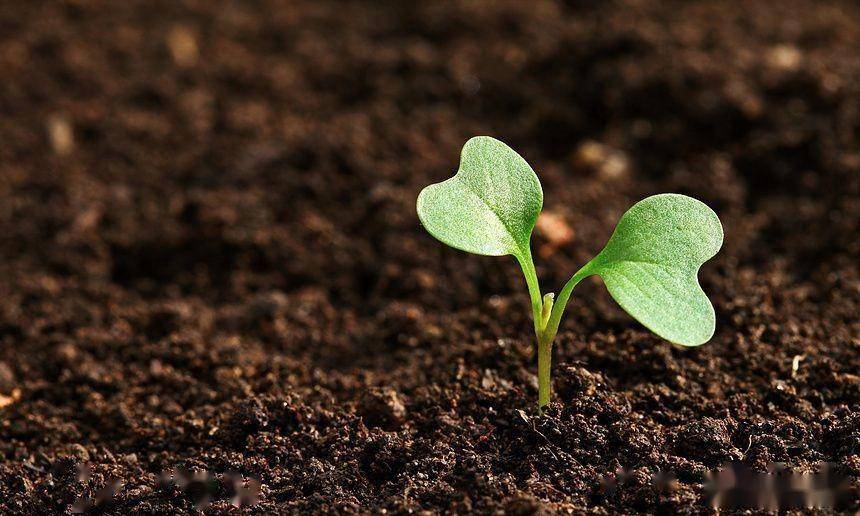
What makes organic fertilizers "fragrant"?
Organic fertilizer refers to carbon-containing organic materials primarily derived from plants and/or animals, which have undergone fermentation and composting. Its function lies in improving soil fertility, providing plant nutrition, and enhancing crop quality.
1.Improve soil quality and enhance the quality of arable land Organic fertilizers can increase the organic matter content in soil, enhance soil water retention, nutrient retention, and permeability, and help regulate soil temperature. At the same time, they can also enhance soil activity and biological reproduction and transformation capabilities, thereby improving soil absorption capacity, buffering capacity, and stress resistance.
2. Increase crop yields and improve the quality of agricultural products Organic fertilizers are nutritionally comprehensive, containing a large amount of nutrients, trace elements, carbohydrates, and fats required by plants. Applying organic fertilizers can improve the quality indicators of fruits such as moisture, sugar content, acidity, pectin, pigments, and aroma. In addition, most of the nutrients in organic fertilizers exist in organic forms, which need to be decomposed by microorganisms into inorganic forms before being absorbed by crops. This transformation and release process is relatively slow and long-lasting, making organic fertilizers have balanced fertilizer efficiency and sufficient staying power. This not only increases crop yields but also helps improve quality and enhance the market competitiveness of agricultural products.
3. Reduce the amount of fertilizer used and promote the development of circular agriculture By substituting a portion of chemical fertilizers with organic fertilizers and coordinating and balancing the application ratio of the two, the amount of chemical fertilizers can be effectively reduced, and the utilization rate of fertilizers can be improved. Using agricultural wastes such as crop straw, livestock manure, and aquaculture waste as raw materials to produce organic fertilizers can achieve resource recycling and has positive significance for the development of circular agriculture.
Scientific fertilization follows certain "rules"
Scientific application of organic fertilizer requires reasonable selection of fertilizer type, dosage, and application method based on soil, crop, and environmental conditions, in order to achieve efficient and environmentally friendly fertilization goals and promote green agricultural development.
Develop a correct fertilization plan Select appropriate organic fertilizers based on crop requirements and soil conditions. Different types of organic fertilizers vary greatly in their organic matter and nutrient content, as well as in the rate of nutrient mineralization and release: organic fertilizers primarily processed from straw have high organic matter content, low nutrient content, and slow nutrient release, making them more suitable for soil improvement; while organic fertilizers derived from livestock manure have relatively low organic matter content and high nutrient content, making them more suitable for nutrient supply. In specific applications, the type and application rate of organic fertilizers should be determined based on crop nutrient requirements and soil fertility, to avoid excess or deficiency. Excess may lead to nutrient loss and environmental pollution, while deficiency can affect the normal growth of crops.
2. Choose a reasonable fertilization method According to the types of crops and their needs during different growth stages, appropriate fertilization methods and timing should be selected. Base fertilizer is generally applied before sowing or transplanting, while topdressing is timely supplemented according to the crop growth stage. Fertilization methods can include broadcasting, furrow application, hole application, etc., and should be combined with soil tillage to ensure uniform fertilizer distribution. 3. Combined application of organic fertilizer and chemical fertilizer According to crop requirements and soil conditions, the ratio of organic fertilizer and chemical fertilizer should be reasonably matched. Organic fertilizer has a relatively comprehensive nutrient content, but the content is low, and it decomposes slowly in the soil. If applied alone, it often fails to meet the large nutrient demand of crops during their rapid growth period, thus affecting yield and quality. Therefore, when applying organic fertilizer, chemical fertilizer can be applied as required, and foliar topdressing can be supplemented during the growth period of crops. By combining organic and chemical fertilizers, they can complement each other and leverage their respective advantages.
4. Ensure to apply it after it has been fully decomposed Organic fertilizer must undergo thorough fermentation and composting before it can be applied. During the fermentation process, the compost temperature needs to reach 60°C to 70°C and be maintained at this temperature for more than 20 days. This not only ensures the fertilizer's effectiveness but also effectively kills harmful organisms. Taking the "Shanhai Nongmeng Organic Fertilizer Equipment" as an example, its professional equipment can precisely control the fermentation temperature and duration, ensuring that the organic fertilizer is fully composted and has stable quality, providing reliable guarantees for scientific fertilization. At the same time, it should be noted that composted organic fertilizer should not be mixed with alkaline fertilizers, otherwise it will cause ammonia volatilization, reduce the nutrient content of organic fertilizer, and lead to nutritional imbalance.